Kosuke Okahara
Born in 1980 in Tokyo. Based in Kyoto, Japan.> Read more
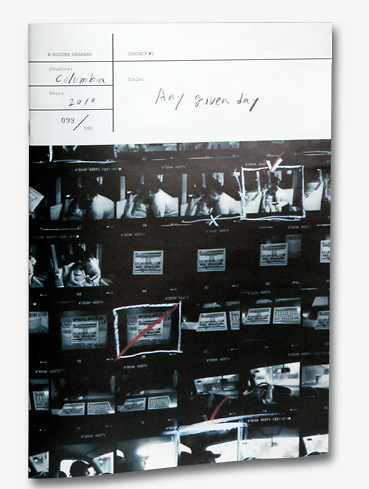
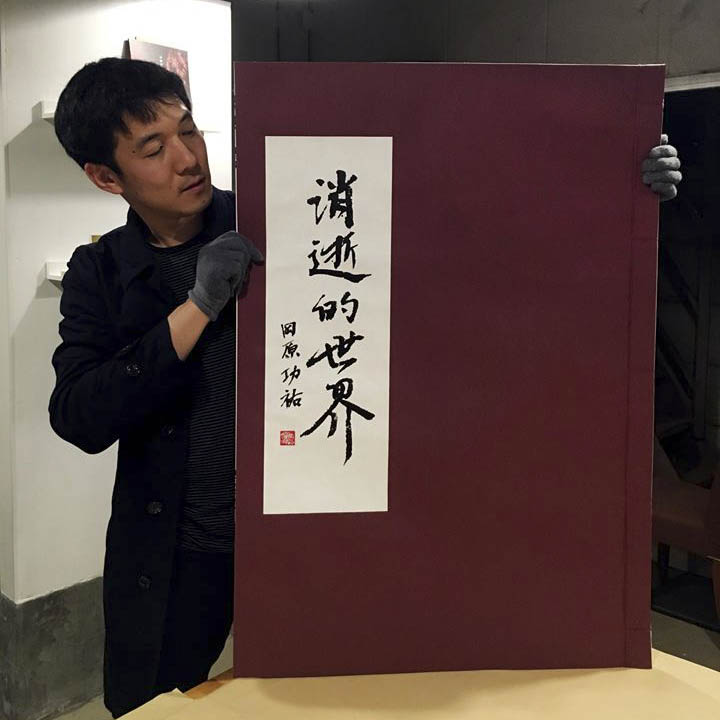
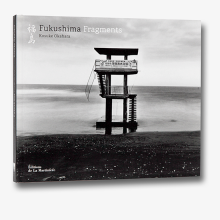
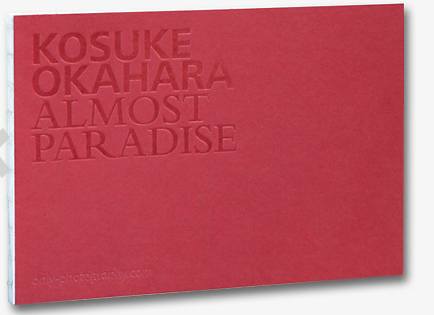
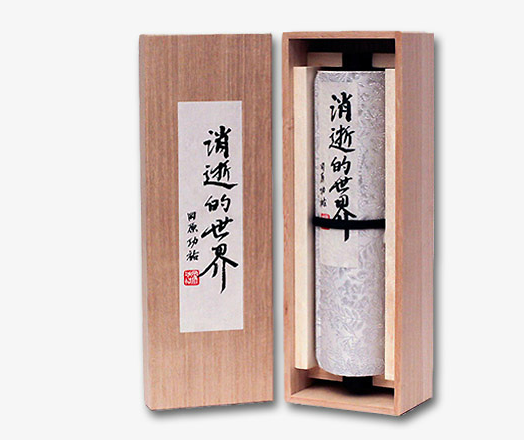
Okahara grew up in Tokyo and started his career as a photographer after college graduation. He has been pursuing the stories based on his theme "Ibasyo" which, in Japanese, refers to physical and emotional space in which one can exist. In 2010, He has been awarded W. Eugene Smith Fellowship with his long-term project “Ibasyo” which depicts the life of young Japanese girls who suffer from self-injury, a wide spread phenomena still seen as taboo in the society. He was also awarded Getty Images Grant with his works on post Fukushima nuclear disaster in 2012. His long-term work on Colombia also received Pierre & Alexandra Boulat grant in 2014. He has published 6 monographs and two art books. His 10meter scroll art book “Vanishing existence” was exhibited at the art book exhibition in Bavarian State Library in Munich along with artists such as Picasso, Andy Warhol, and Keith Haring and became a part of permanent collections of the library. One of his series “Almost Paradise” was also exhibited at "100 years Leica photography". His works have been exhibited in museums, art fairs, and international photo festivals such as Kunsthal in Rotterdam, Deichtorhallen in Hamburg, C/O Berlin, Tokyo Photographic art museums, Paris Photo, AIPAD, and Kyotographie… He continues shooting the stories that touch him.


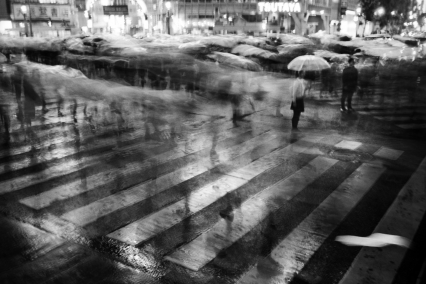
Exhibitions at Polka Galerie
Exhibitions at Polka Galerie
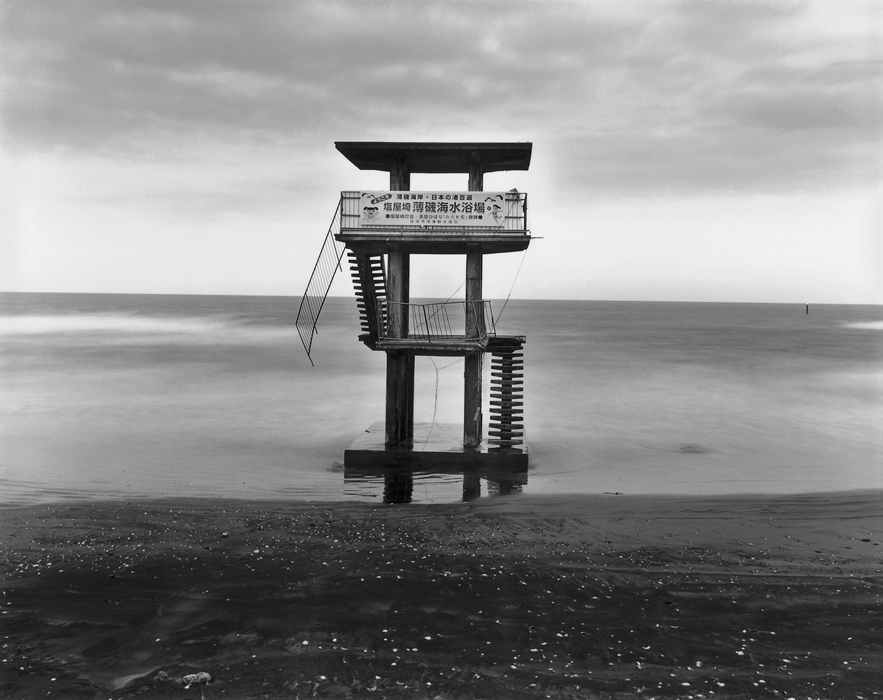
Kosuke Okahara
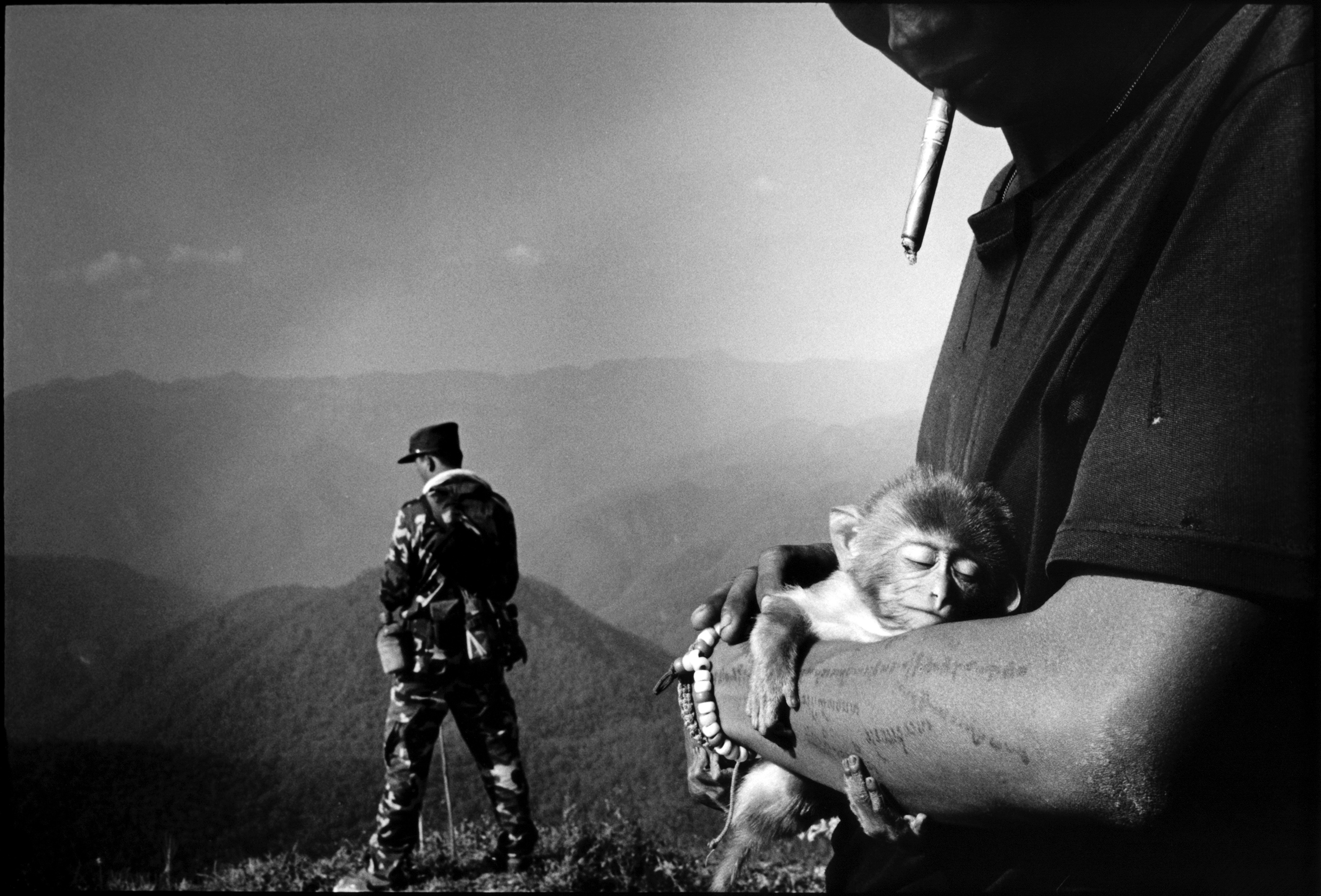
Kosuke Okahara

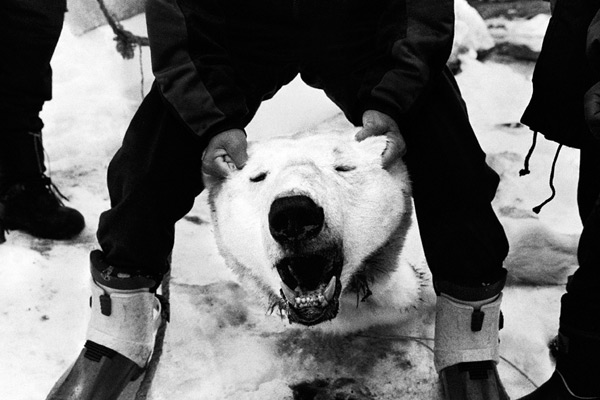
Kosuke Okahara
Selected Publications
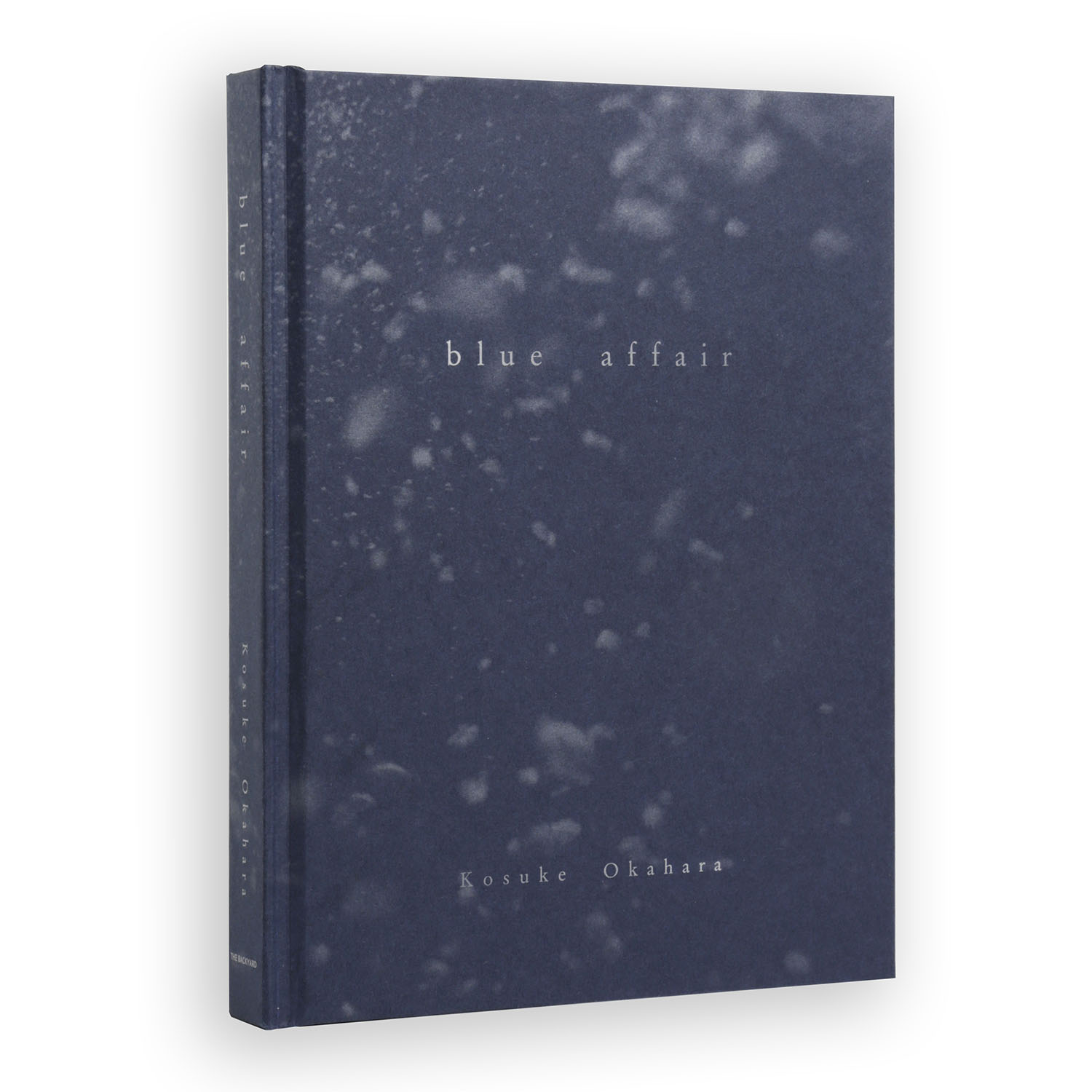
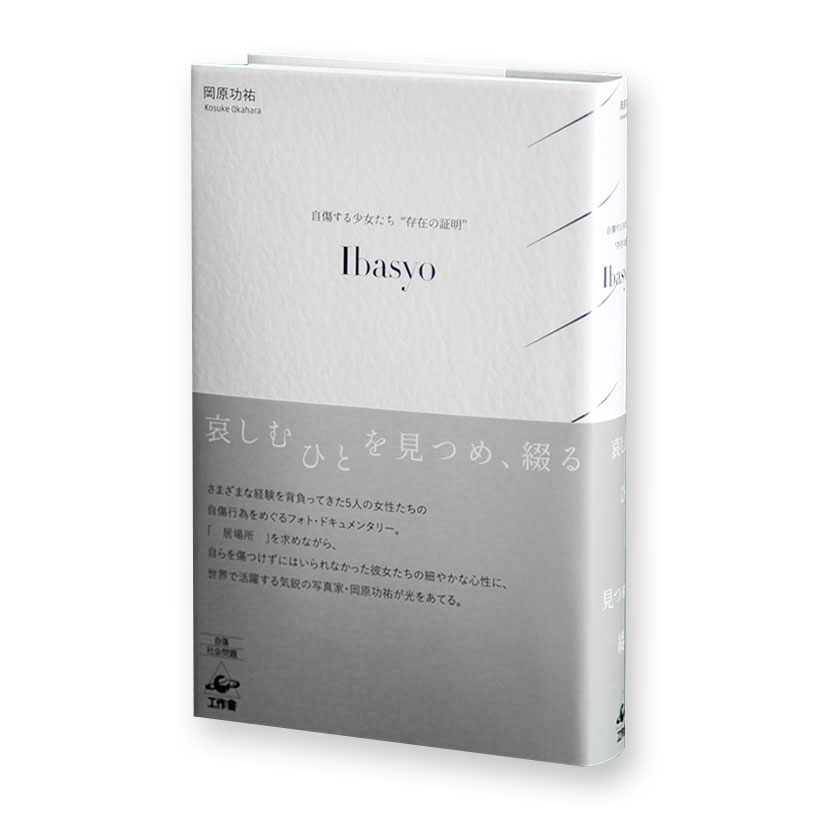
Kosuke Okahara
Kosuke Okahara
Kosuke Okahara
Kosuke Okahara

Kosuke Okahara